

On May 28, we celebrate the International Day of Action for Women’s Health, a key date to raise awareness about the importance of comprehensive care and access to innovative treatments. One of the most promising fields in modern medicine is the study of the Endocannabinoid System (ECS), a complex signaling network that plays a vital role in regulating several female physiological processes.
What is the Endocannabinoid System?
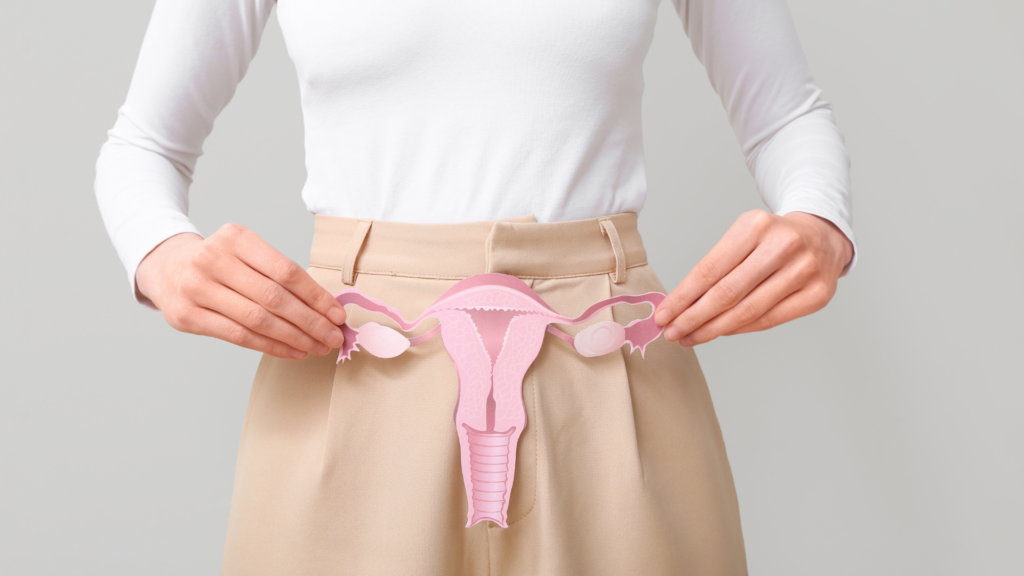
The ECS is composed of receptors (mainly CB1 and CB2), endocannabinoids (such as anandamide – AEA), and enzymes responsible for their synthesis and degradation. Interestingly, these components are present throughout the female reproductive system, including the ovaries, uterus, fallopian tubes, and cervix [1]. Fluctuations in endocannabinoid levels throughout the menstrual cycle suggest that this system modulates essential functions such as ovulation, endometrial receptivity, and embryo implantation [2].
Cannabis and the Management of Endometriosis
Endometriosis affects between 5% and 10% of women of reproductive age, causing chronic pelvic pain and severe inflammation. Recent research indicates that Cannabidiol (CBD) may act as an innovative therapeutic agent. Preclinical studies show that CBD has anti-inflammatory, antioxidant, and anti-angiogenic properties that help reduce the size of endometrial lesions and pain sensitivity [3].
| Condition | Role of the Endocannabinoid System | Benefit of Phytocannabinoids (CBD/THC) |
|---|---|---|
| Endometriosis | CB1 and CB2 receptors regulate pain and inflammation in tissues. | Reduction of inflammation and relief of chronic pelvic pai= |
| Menstrual cramps | The ECS modulates uterine contractility. | Analgesic properties help relieve severe menstrual cramps. |
| Menopause | The decline in estrogen affects endocannabinoid signaling. | Improved cognitive function and neuroprotection. |
Menopause and Cognitive Health
The transition to menopause brings challenges such as “brain fog” and memory lapses, often linked to declining estrogen levels. An innovative study from UFRGS (2022) revealed that CBD may reverse memory impairments associated with estrogen depletion by activating neuronal survival pathways (such as the Akt/GSK3β pathway) [4]. This positions cannabinoids as a natural and safe alternative to traditional hormone replacement therapy for brain health.
Conclusion
Understanding the Endocannabinoid System opens the door to a more personalized and less invasive approach to women’s health. Whether in relieving chronic pain or preserving cognitive function, science points to a future where medical cannabis becomes a strategic ally in women’s well-being.
Scientific References
- El-Talatini, M. R., et al. (2009). Localisation and function of the endocannabinoid system in the human ovary. PLOS ONE, 4(2).
- Walker, O. S., et al. (2019). The role of the endocannabinoid system in female reproductive tissues. Journal of Ovarian Research.
- Okten, S. B., et al. (2023). Cannabidiol as a potential novel treatment for endometriosis. Reproductive BioMedicine Online.
- Corrêa, M. D. S., et al. (2022). Cannabidiol reverses memory impairments in an experimental model of estrogen depletion. Behavioural Brain Research.